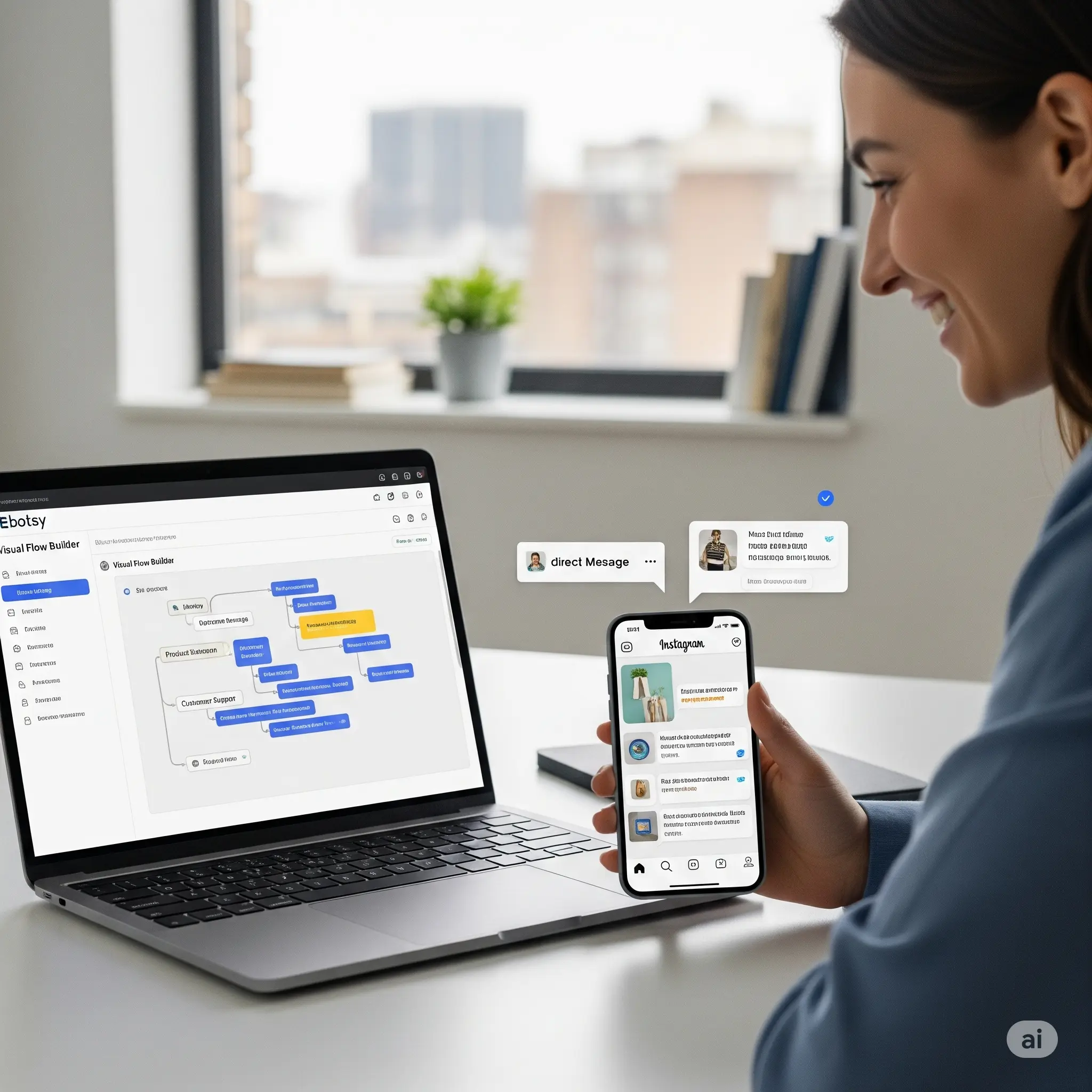

The restaurant and food industry is witnessing a significant digital transformation, with businesses moving towards automation and artificial intelligence to deliver an exceptional customer experience. Competition is no longer limited to food quality; it’s also about the efficiency and speed of service. Here, the importance of chatbots for restaurants emerges as a strategic solution to face these growing challenges.
Here are 7 key ways these tools are revolutionizing the sector:
1. Order Taking and Reservation Management
Chatbots enable restaurants to fully automate the ordering process. Customers can browse the menu, choose their favorite meal, and complete their order through a simple conversation. The chatbot can also manage reservations efficiently, confirming or modifying them instantly, which reduces errors and saves time for the staff.
2. 24/7 Customer Service
A chatbot can answer basic customer inquiries at any time of day, such as business hours, branch locations, and special diet options (vegetarian, gluten-free, etc.), ensuring a quick and continuous response.
3. Loyalty Programs and Personalized Marketing
Chatbots can collect customer data and use it to launch personalized marketing campaigns. A chatbot can send special offers to loyal customers or provide a discount on a customer’s birthday, which strengthens brand loyalty and increases visits.
4. Performance Evaluation and Data Analysis
The dashboard provides accurate data on customer behavior, such as the most popular dishes and peak ordering times. This helps restaurant management optimize the menu, manage inventory, and make data-driven decisions.
5. Reduction of Human Errors
Automation helps reduce errors that can occur when taking orders over the phone or manually, which enhances service accuracy and improves the restaurant’s reputation.
6. Multi-Channel Communication
These solutions allow restaurants to be present on various platforms that customers use frequently, such as WhatsApp, Messenger, and Telegram, which expands their potential customer base and simplifies the ordering process.
7. Increased Staff Efficiency
Thanks to chatbots handling repetitive tasks, restaurant staff can focus on providing better service and personal interaction with customers, which raises the overall quality of service.
In conclusion, adopting chatbots is a crucial step towards the future of the restaurant and food industry, enabling businesses to achieve higher operational efficiency, provide a seamless customer experience, and secure a competitive position in a rapidly evolving market.